Marketing has many terms that mean simple things. BTL and native advertising are two of them. Here are both concepts without the textbook, and what they look like at the live events where we work.
ATL and BTL: where the names come from
The names come from advertising agency bookkeeping. Above the line (ATL) was mass advertising the agency earned a media commission on: TV, radio, press, outdoor. Below the line (BTL) was everything else: promotions, sampling, events, direct mail.
Today the difference is different. ATL speaks to everyone at once and builds awareness. BTL works with a person directly and nudges them to act: try, buy, leave a contact. A combination of both is called TTL (through the line).
Types of BTL
- Promotions. Discounts, gifts with purchase, prize draws
- Sampling and tastings. Try the product for free
- Merchandising and POS materials. Display and advertising at the point of sale
- Event marketing. The brand’s own events or presence at others: concerts, matches, festivals
- Direct marketing. Emails, messages, calls to a database
- Indoor advertising. Carriers inside buildings: malls, gyms, business centres
You will also see the term super BTL: expensive, complex special projects in which the brand creates an event or a large installation itself.
Native advertising in plain words
Native advertising looks like part of what a person is already watching or reading. An article in a publication, a blogger’s episode, a film scene where the hero uses a product. It does not interrupt, it blends in. The main rule: it still has to be labelled as advertising, the law requires it.
At an event, a native integration is something the audience sees as part of the programme: a partner contest run by the host, a number featuring the product, a show designed in the brand’s style.
An example: a show the audience makes itself
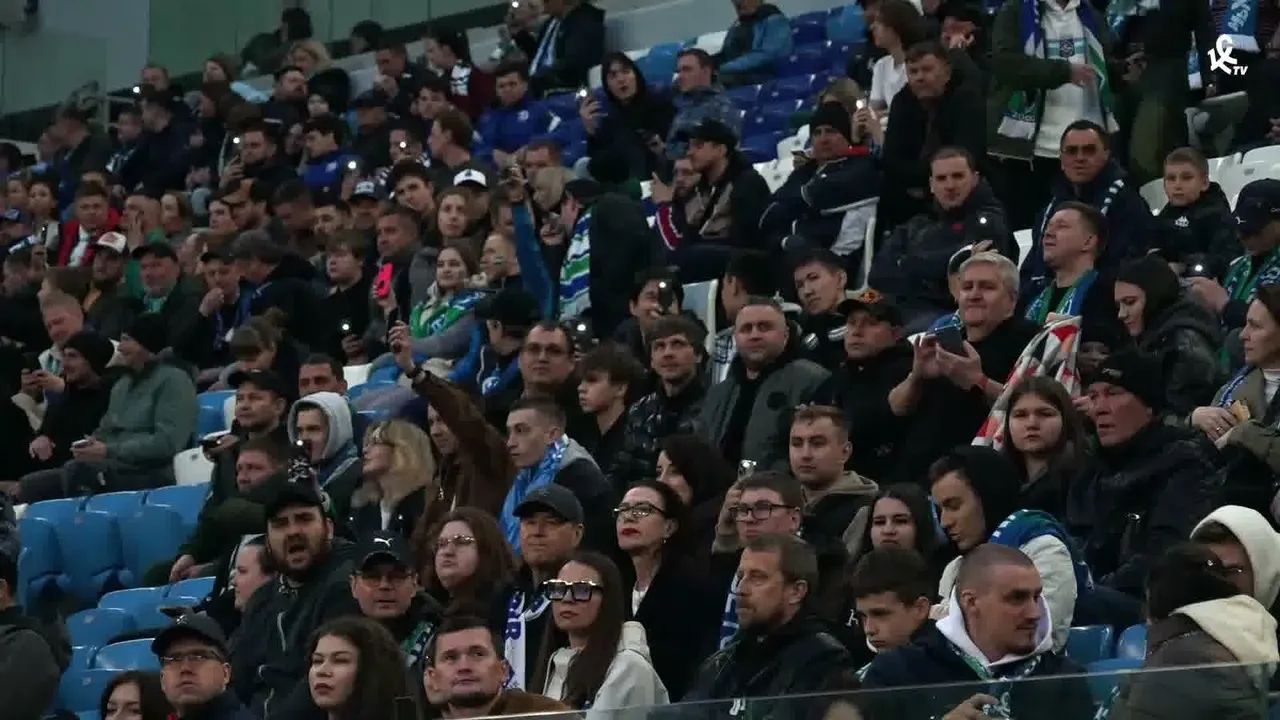
Our format combines BTL and native integration. Viewers scan a QR code, raise their phones, and the whole stadium or hall flashes to the music. People scan the QR for the show, not for an ad, so a noticeable share of the audience joins. The show page uses the brand’s colours, and right after the show a promo opens in the browser: a coupon, a prize draw or a landing page.
At the Krylya Sovetov vs Lokomotiv match, 1,493 of 9,000 spectators joined the show and 362 went on to the promo with Dodo Pizza prizes. Detailed numbers in the engagement breakdown.
Reach, engagement and lead generation
Three words found in any BTL report:
- Audience reach. How many people saw the brand. At an event it is usually the number of viewers
- Engagement. How many of them did something: scanned a code, took part, voted
- Lead generation. Put simply, collecting contacts of people interested in the product. A lead is a person who left a phone number or email and consent to be contacted
A logo on a banner gives only reach. A QR code mechanic at an event gives all three levels, and each can be counted. How to collect contacts at an event is covered in the article on event lead generation.
FAQ
Which is cheaper, ATL or BTL? Per contact ATL is usually cheaper, per action it is more expensive. BTL is chosen when the goal is a specific result, not just a brand reminder.
Does an event integration need ad labelling? Online promo, including the post-show page, is labelled under Russian advertising law. The details are worth checking with a lawyer.
Other tools in our overviews of event marketing and new advertising tools for 2026. Formats for brands in the For brands section.