Event sponsorship is bought for the audience: real people gathered in one place, with emotions that transfer to the brand. The problem is that a typical sponsorship package sells surface, not audience: a logo on the poster, a banner by the stage, a mention from the stage. Here is how a brand should read sponsorship offers and what to demand so that the event delivers numbers, not just a photo report.
What a typical package contains and what is measurable
- Logo on carriers: cannot be measured, reach is an estimate
- Brand zone: traffic counted manually, conversion depends on the staff
- Stage and social media mentions: reach visible only in the online part
- Brand prize draw: the first mechanic with collectable contacts, but usually a small share of the hall takes part
- The event’s digital placements: measurable, but that is ordinary internet advertising, the event itself plays no role
The result of most packages: the brand pays hundreds of thousands and receives photos of the banner and the number of tickets sold. Such an investment cannot be compared with performance channels, which is why sponsorship budgets are the first to be cut.
What to demand from the organizer in 2026
The minimal set of questions for a sponsorship offer: what share of the event audience will perform a measurable action with the brand; what the report will look like; whether the brand keeps contacts with communication consents. If there are no answers, you are buying presence, not activation. The other side’s view, through the eyes of the organizer building the package, is covered in the article how to attract sponsors.
What a measurable package position looks like
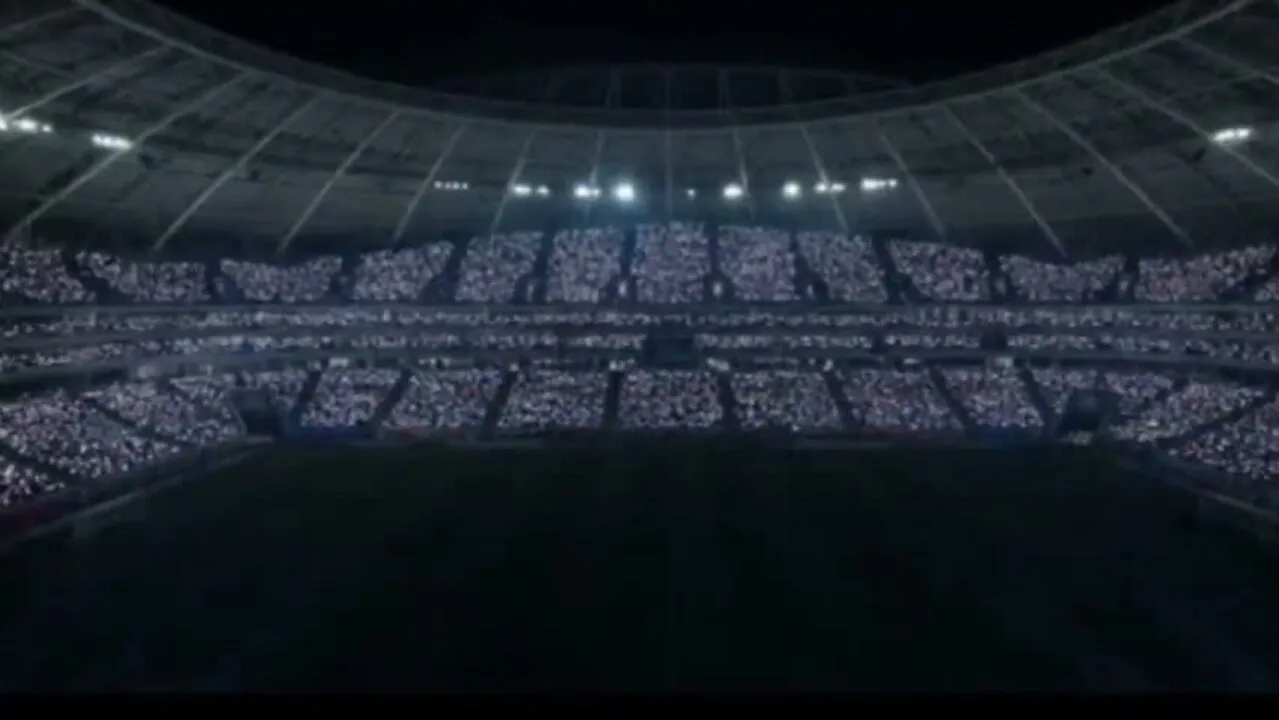
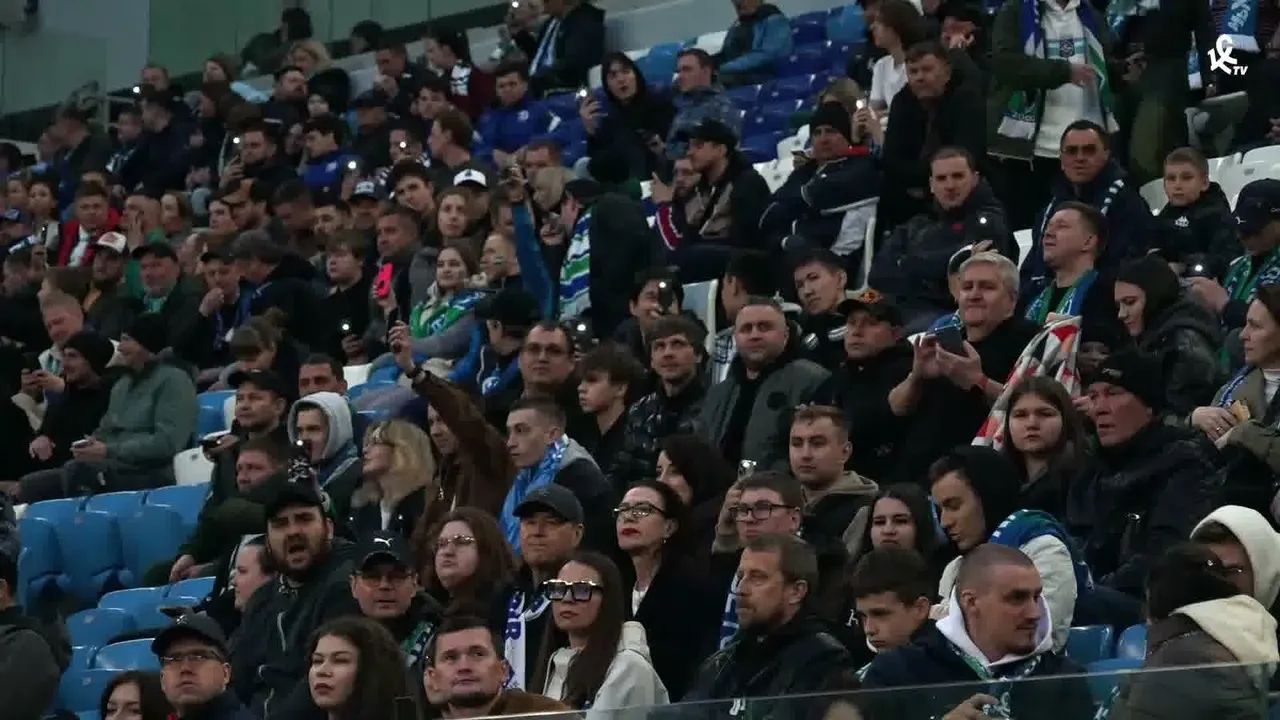
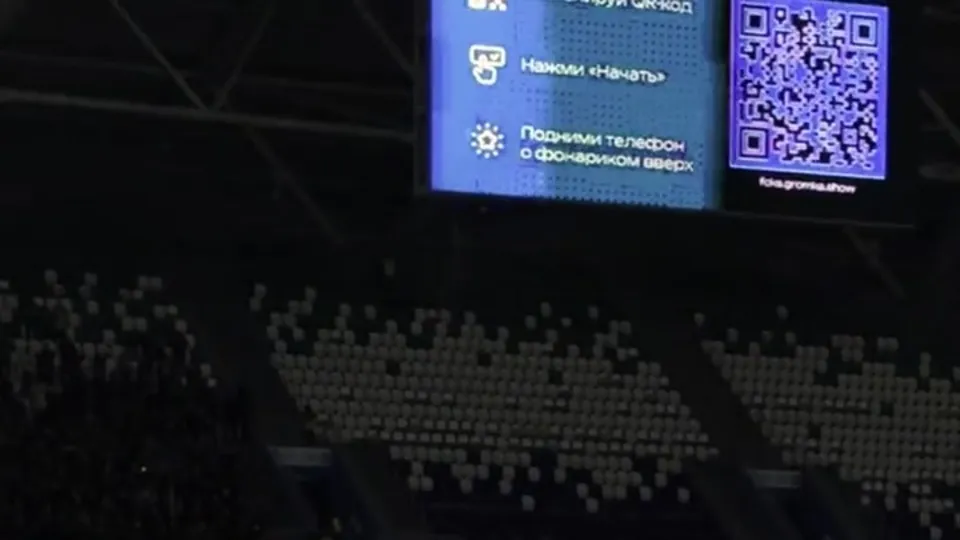
Our mechanic slots into the event as a separate package line. First the show: viewers scan a QR code, raise their phones, and the whole hall glows in sync with the music. Almost the entire hall scans the QR, because that is the way into the show. Right after, a sponsor promo opens in every participant’s browser: a coupon, a free bet, a landing page, and a prize draw with a chatbot collects contacts with consents.
Funnel numbers: 25–30% of show participants click through to the promo in tests, every step is visible via UTM in analytics. How contacts are collected and what goes into the brand’s report is covered in the event lead generation article. An example of audience analysis for a sports sponsor is in the 2026 World Cup betting infographic.
A checklist for evaluating a sponsorship offer
- The package has at least one position with a measurable audience action
- The report contains a funnel: reach, actions, clicks, contacts
- Contacts are collected with consent and handed to the brand
- The position price can be converted into cost per action and compared with digital channels
- The mechanic requires no logistics from the brand: no promo staff, stands or equipment
If you are choosing events to sponsor or want to add a measurable activation to a package you already bought, package and report examples are in the For brands section.