Event marketing is a brand’s work with a live audience: own events, integrations into other people’s events, sponsorship, on-site promo. The channel is expensive and labour-heavy, but it delivers what digital cannot: real human contact without banner blindness. Its one weak spot: results are more often described with impressions than with numbers.
What event marketing consists of
- The brand’s own events: full control, maximum budget, effect measured by reach and press
- Sponsoring other events: cheaper than building your own, but usually sold as logos, see the sponsorship through the brand’s eyes article
- On-site BTL activations: sampling, photo zones, promo staff, conversion counted by hand
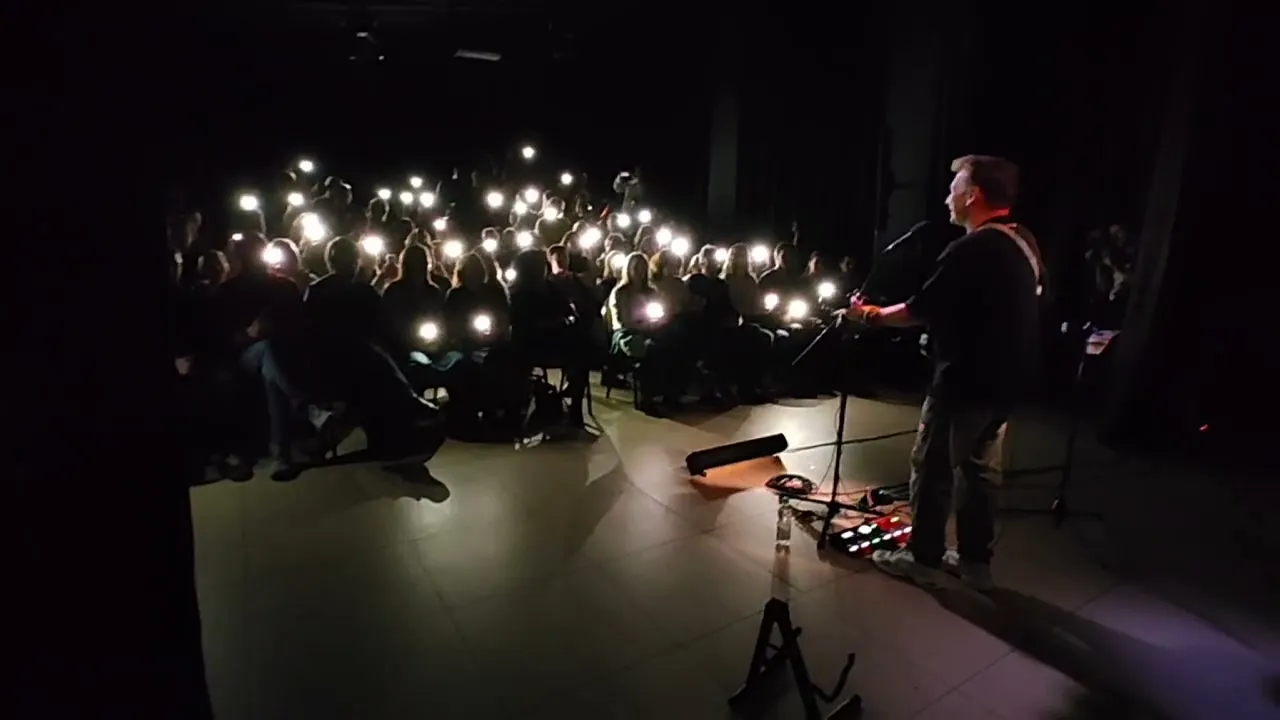
- Activations inside the audience’s phones: the youngest layer, where every step is visible in analytics
Tools that produce numbers
QR codes, promo codes, UTM tags and chatbots made offline measurable, see the full breakdown in the offline advertising with metrics article. All these tools share one problem though: people need a reason to scan the code. A discount is a weak reason.
The show as the funnel engine
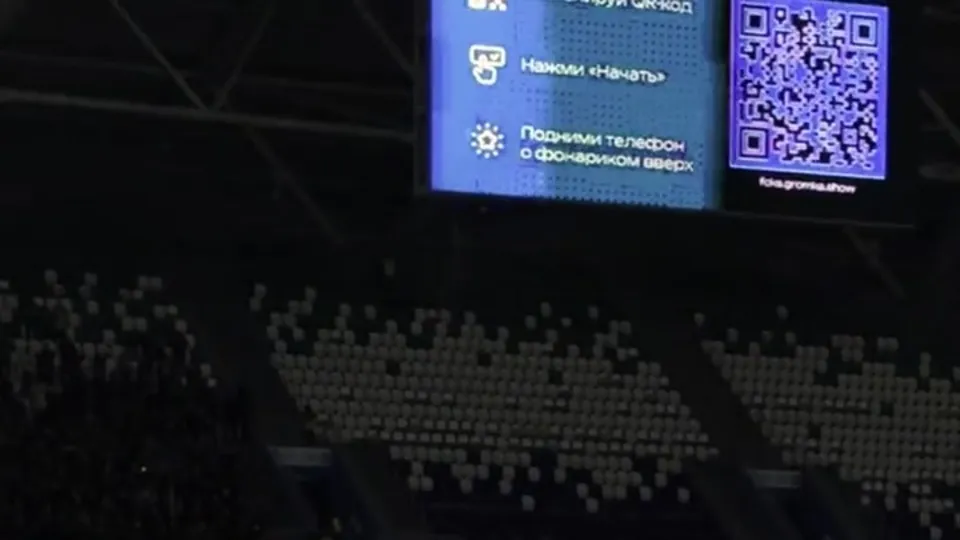
Our mechanic makes the show itself the reason: viewers scan the QR to join the light show, and afterwards a brand promo opens in every participant’s browser. At the Krylya Sovetov vs Lokomotiv match this produced a funnel of 9,000 viewers → 1,493 participants → 362 promo clicks with Dodo Pizza prizes, full numbers in the engagement breakdown.
How to build an event into a campaign
- Goal: reach, leads or sales, it defines the post-show promo (landing, coupon, prize draw with contacts)
- Mechanics: the show slots into the event script, launches in a minute, no equipment needed
- Measurement: UTM at every step, the report covers scans, participation, clicks, leads
- Comparison: cost per action from the report against cost per click of your digital campaigns
Concert and festival ad formats are covered in a separate article, and packages with report examples live in the For brands section.